Inception, directed by Christopher Nolan, revolutionized the thriller genre with its complex dream layers and stunning visuals. Beneath the blockbuster’s fame lie captivating secrets and lesser-known details that enrich the story and production. Dive into the hidden gems behind Inception’s mind-bending narrative and groundbreaki
Inception
The film was initially conceived as a horror movie before evolving into a heist thriller, showcasing Nolan’s creative flexibility.
Ariadne’s character has a name after a figure in Greek mythology who helped Theseus escape the labyrinth, symbolizing her role as guide through dreams.
The crew filmed Joseph Gordon-Levitt’s famous zero-gravity hallway fight using a full 360-degree rotating set, without a green screen.
The “impossible” Penrose staircase in the film is based on a real 1960s print by M.C. Escher and achieved through clever camera angles.
Each main character represents a role in a filmmaking crew: Cobb as director, Arthur as producer, Ariadne as production designer, and Eames as actor.
Over 500 crew members worked tirelessly to create the iconic rotating hallway scene, which took three weeks to shoot.
The film’s soundtrack features the song “Non, Je Ne Regrette Rien” by Édith Piaf, slowed down to synchronize with the dream layers’ unique time dilation.
Leonardo DiCaprio found the chase scene in Morocco physically the toughest, having to dodge crowds and obstacles during intense filming.
The team used subtle details like license plates reading “The Alternate State” to cue viewers that certain sequences were dream layers.
Nolan wrote the script on spec to maintain creative control, completing the first draft alone before studio involvement.
Real sets physically tilted and rotated while filming, requiring actors to hold on tightly to avoid sliding off during shooting.
The safe code “528491” appears repeatedly as an Easter egg, tying the complex story elements together visually.
The “kick” sequence includes multiple synchronized actions to wake dreamers simultaneously, showing intricate planning behind the scenes.
The final spinning top scene remains deliberately ambiguous, fueling years of debate about Cobb’s reality versus his dreams.
Hans Zimmer infused the score with unique guitar sounds influenced by Ennio Morricone, adding to the film’s unforgettable atmosphere.
How useful was this post?
Click on a star to rate it!
This AI-assisted post was rigorously curated and fact-checked for accuracy by:
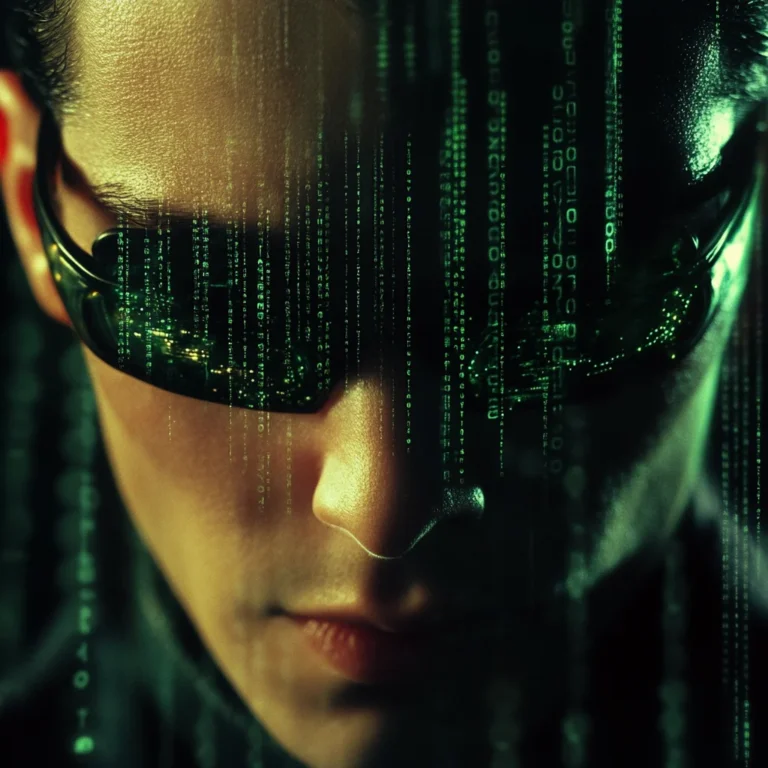
The Matrix movies blend mind-bending action with deep philosophy and stunning effects. Explore surprising secrets behind the scenes and the meaning within the Matrix saga. From sushi-inspired code to real clubs and revolutionary filming, discover what makes the Matrix truly iconic.
Matrix
The iconic green code in Matrix’s opening sequence is actually sushi recipes from a Japanese cookbook.
Neo’s room number in the film is 101, symbolizing the basics of reality and control systems.
Trinity’s fight scene was shot with a complex rig of over 100 cameras to create the famous bullet-time effect.
The S&M nightclub where Neo meets Trinity is a real club called The Hellfire Club in Sydney.
The Wachowskis originally conceived Matrix as a 600-page comic book script.
Neo’s costume trench coat was made from an inexpensive synthetic fabric printed to look like wool.
Keanu Reeves had back surgery before filming but still trained four months for the difficult fight scenes.
Morpheus’s ship, the Nebuchadnezzar, is named after an ancient Babylonian king.
The Matrix contains repeated background characters—twins and triplets—that hint at glitches in the simulated world.
Neo’s file shown during interrogation reveals his birthdate as March 11, 1962, making him 37 in the real world timeline.
The agent Smith character was inspired by elements from Neil Gaiman’s Sandman comics and The Invisibles.
The bullet-time sequence was created using 120 still cameras triggered in perfect sync.
The film’s color grading uses green tint for scenes inside the Matrix and a blueish tint for the real world.
The movie includes subtle foreshadowing, like the phrase “You need to unplug,” hinting at Neo’s path to freedom.
Some actors studied philosophical works such as “Simulacra and Simulation” by Jean Baudrillard to better understand the film’s themes.
Emilia Clarke rose from early roles to global stardom as Daenerys Targaryen in Game of Thrones, combining powerful performances with resilience and versatility. Explore her journey from London-trained actor to Hollywood and stage star.
Emilia Clarke
Emilia Clarke was born on October 23, 1986, in London, England.
She is best known for her role as Daenerys Targaryen, the “Mother of Dragons,” in HBO’s Game of Thrones (2011–2019).
Clarke was cast as Daenerys in her third professional acting role, replacing the original actress after the pilot was reshot.
She received four Primetime Emmy Award nominations for her portrayal of Daenerys, including one for Outstanding Lead Actress in 2019.
Emilia’s character arc traces Daenerys’s evolution from a frightened girl to a powerful queen, earning critical acclaim.
She earned reports of being one of the highest-paid actors on television, making up to £2 million per episode in later Game of Thrones seasons.
Clarke made her television debut in 2009 with a guest role on the BBC medical drama Doctors.
She has appeared in major films such as Terminator: Genisys (2015), Solo: A Star Wars Story (2018), Me Before You (2016), and Last Christmas (2019).
Emilia made her Broadway debut as Holly Golightly in Breakfast at Tiffany’s (2013), showcasing her stage talents.
She is an advocate for brain injury awareness, having survived two brain aneurysms during the early seasons of Game of Thrones.
Clarke is multilingual and studied at Drama Centre London, gaining classical acting training.
Her dedication to learning horse riding and combat skills enhanced her performance as Daenerys, especially in dragon-riding scenes.
She lent her voice and likeness to the 2014 Game of Thrones video game.
Emilia has spoken openly about overcoming on-set challenges, including discomfort acting nude in large productions.
Beyond acting, she founded the production company Magical Thinking Pictures to develop original projects and nurture new talent.