1. The Longest Snakes on Earth
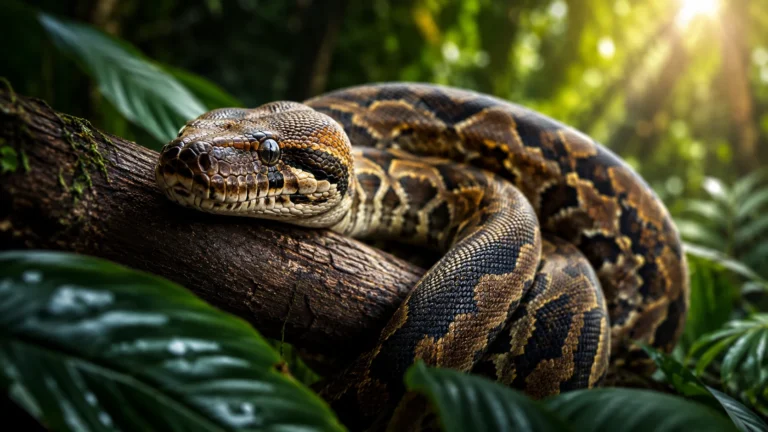
The reticulated python is officially the longest snake in the world. While anacondas take the crown for being the heaviest, reticulated pythons living in the jungles of Southeast Asia can reach staggering lengths. The largest verified wild individuals have been measured at over twenty-three feet long, with historical records claiming some specimens reached over thirty feet.
2. They Sense Their Victim’s Heartbeat
For centuries, scientists wondered how a constricting snake knew exactly when its prey was dead. Recent research revealed that pythons possess a terrifyingly precise sense of touch. As they coil around an animal, they can physically feel the faint, rapid heartbeat of their prey. The python will continue to squeeze tightly and will only relax its deadly grip minutes after the victim’s heart completely stops beating.
3. They Have Tiny Vestigial Legs
Millions of years ago, the ancient ancestors of snakes walked on four legs. Pythons are considered relatively primitive snakes because they still carry a highly visible biological remnant of this evolutionary past. Near the base of a python’s tail, you can find tiny, sharp claws protruding from their scales known as cloacal spurs. These are the external remains of a prehistoric pelvis and hind limbs.
4. They Possess Two Functioning Lungs
Another biological quirk that makes pythons primitive compared to other modern serpents is their respiratory system. The vast majority of advanced snake species have evolved to completely lose their left lung, relying entirely on a single elongated right lung to save space inside their narrow bodies. Pythons, however, still possess two fully functioning lungs.
5. They Do Not Dislocate Their Jaws
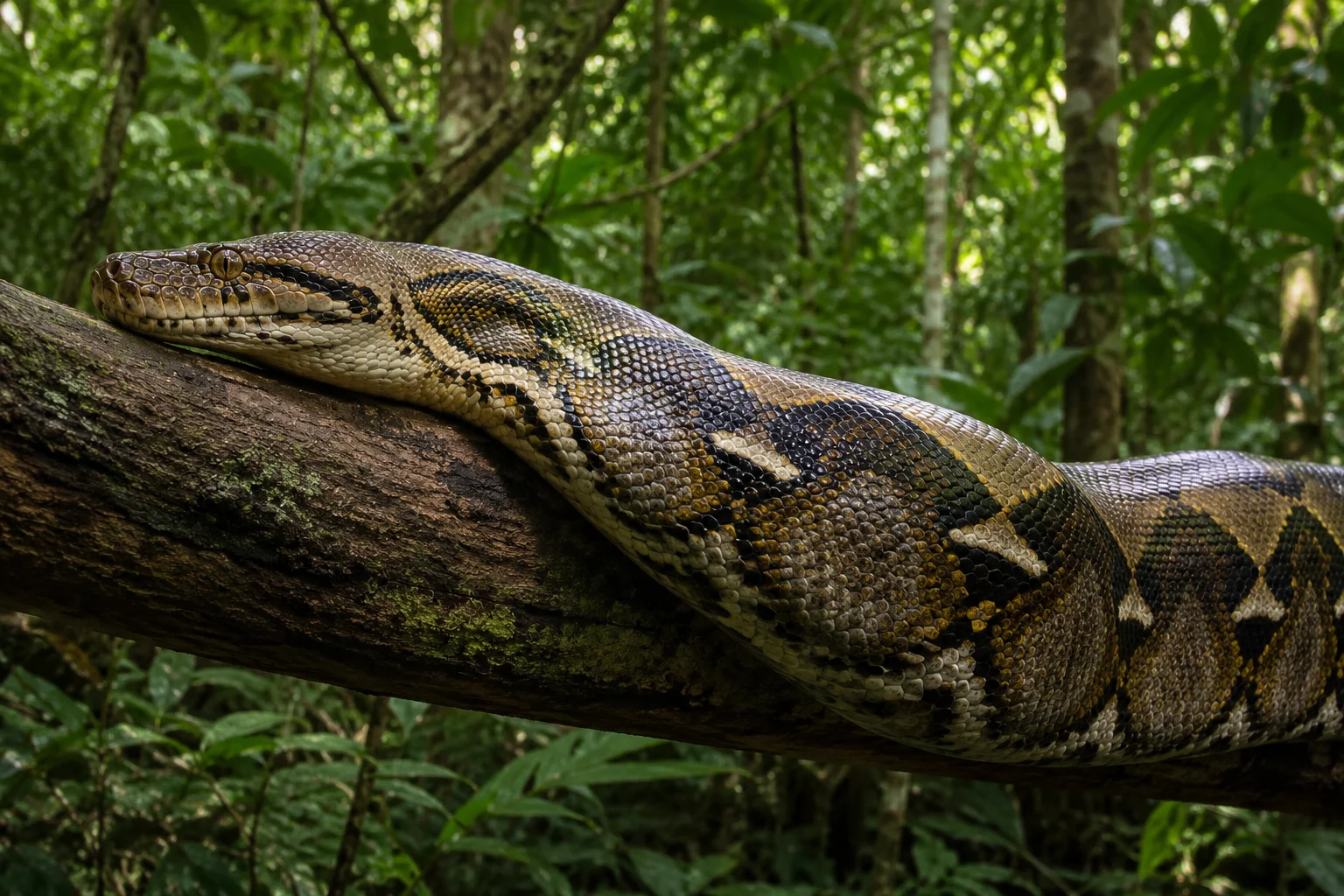
A widespread myth claims that pythons must intentionally break or dislocate their jaws to swallow massive animals like deer or crocodiles. In reality, a python’s jaw is simply not fused together with solid bone at the chin. Instead, the lower jaw halves are connected by highly elastic ligaments. This allows the left and right sides of their mouth to stretch incredibly wide and move completely independently without anything actually dislocating.
6. They Can Eat Crocodiles Whole
Pythons regularly consume prey that is up to one hundred percent of their own body weight. In Australia, olive pythons have been frequently documented ambushing and swallowing freshwater crocodiles completely whole. Their incredibly powerful digestive acids easily dissolve the crocodile’s bones, flesh, and internal organs over several weeks. Only indigestible materials like teeth and keratin scales safely pass through the snake’s system.
7. Female Pythons Incubate Their Eggs
While boa constrictors give birth to live young, all python species are strictly oviparous, meaning they lay eggs. What makes pythons highly unique among reptiles is their dedication to motherhood. A female python will arrange her eggs in a pile and completely wrap her long body around them. By rhythmically twitching her muscles, she physically generates body heat to keep the eggs warm until they hatch.
8. They Have Built-In Thermal Cameras
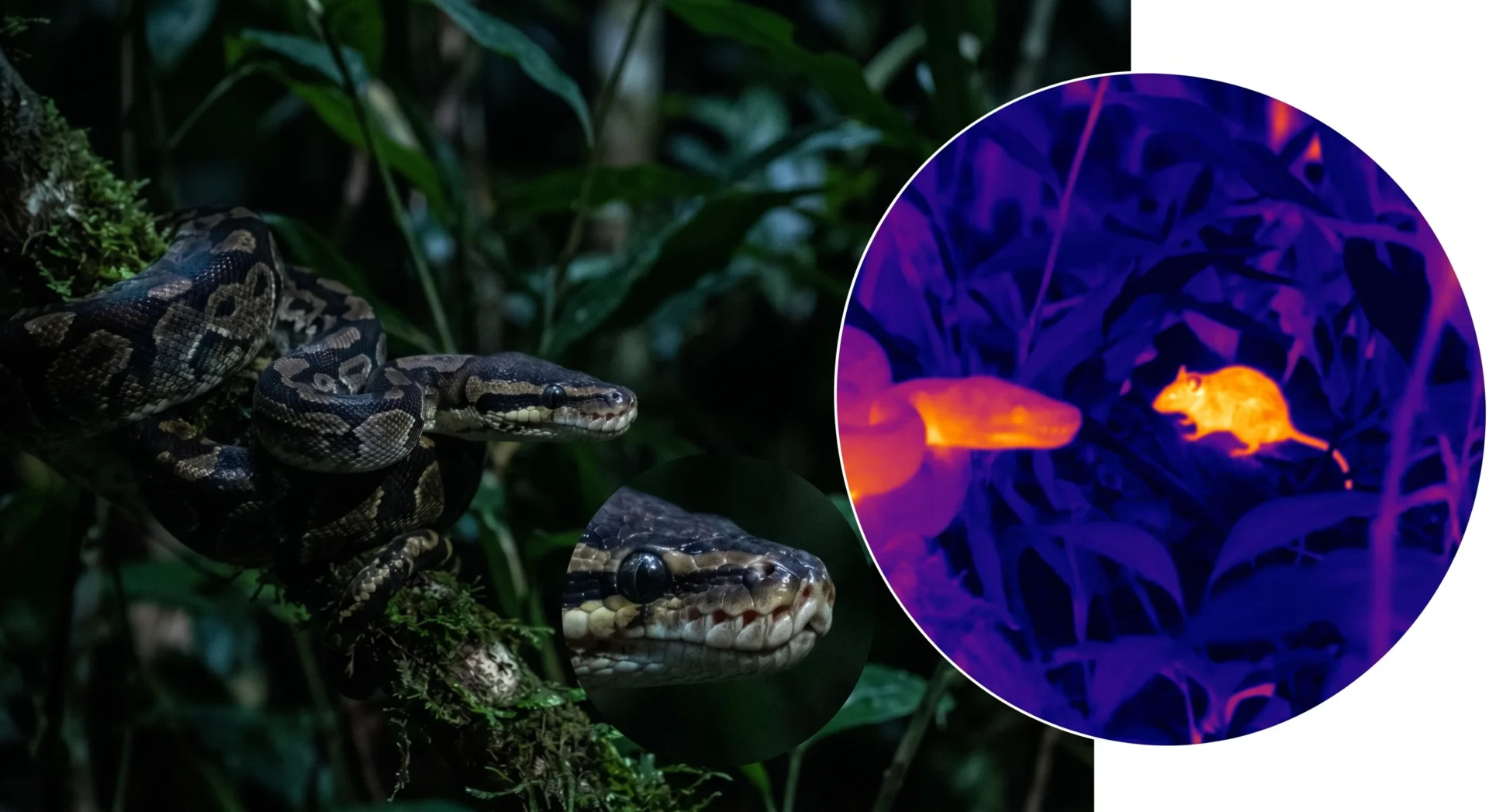
Many python species are nocturnal ambush predators that hunt in complete darkness. To find warm-blooded mammals and birds at night, they rely on highly specialized heat-sensing pits located along their upper and lower lip scales. These pits act exactly like an infrared thermal camera, allowing the snake to literally see the glowing heat signature of a rat or monkey hiding in the dark brush.
9. They Are Taking Over the Florida Everglades
Due to irresponsible exotic pet owners releasing them into the wild in the late twentieth century, Burmese pythons have established a massive, invasive breeding population in the Florida Everglades. Because they have no natural predators in North America and breed rapidly, these giant snakes have devastated the local ecosystem, completely wiping out massive percentages of native raccoons, foxes, and bobcats.
10. Ball Pythons Roll Into a Sphere
The incredibly popular ball python, native to the grasslands of West and Central Africa, earned its common name through a highly unique defensive strategy. Unlike larger, highly aggressive pythons, this smaller species is quite shy. When threatened by a predator, it will tightly coil its entire body into a perfectly round, dense sphere, hiding its vulnerable head safely in the very center of the ball.
11. Some Australian Pythons Eat Venomous Snakes
While most pythons prefer a diet of mammals and birds, the black-headed python and the woma python of Australia have highly specialized diets. These ground-dwelling species actively hunt and consume other snakes, including highly venomous species. Through evolutionary adaptation, these specific pythons have developed a natural biological immunity to the deadly venom of their reptilian prey.
12. They Are Excellent Swimmers
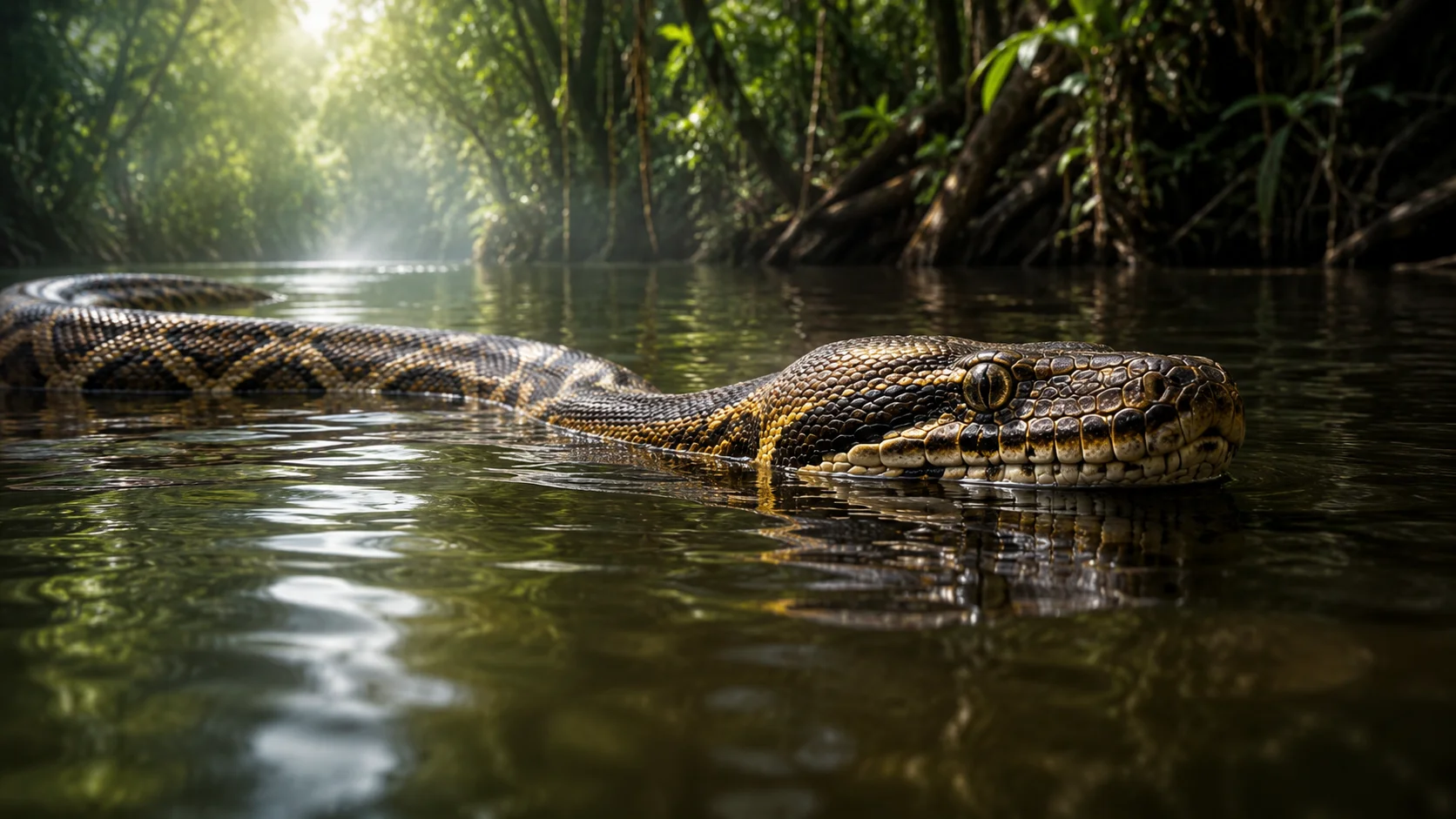
Despite lacking fins or webbed appendages, pythons are incredibly proficient swimmers. Most species naturally inhabit tropical rainforests, swamps, and river basins, meaning they must navigate deep water to survive. A python can hold its breath for up to thirty minutes and will frequently use slow-moving rivers to travel massive distances or silently ambush thirsty animals approaching the water’s edge.
13. Digestion Temporarily Changes Their Organs
When a python swallows a massive meal, its body undergoes a radical, temporary biological transformation. The snake’s metabolism instantly shoots up to forty times its normal resting rate to power the digestive process. Their internal organs, including their heart, liver, and kidneys, will actually rapidly swell in size to handle the massive influx of nutrients, shrinking back to their normal size once the meal is fully digested.
14. They Kill by Suffocation, Not Crushing
It is a common misconception that constricting snakes brutally crush the bones of their prey. When a python strikes, it wraps its heavy muscular coils around the victim’s chest cavity. Every single time the prey exhales, the python simply tightens its grip to fill the empty space. This immense, continuous pressure physically prevents the victim’s lungs from expanding again, leading to a quick death by suffocation or cardiac arrest.
15. They Secrete Natural Mucus to Swallow
Swallowing an animal that is wider than your own body is incredibly difficult, especially since snakes do not possess arms to push the food down their throats. To assist in the massive swallowing process, a python’s mouth and throat naturally secrete a highly slippery, specialized mucus. This biological lubricant coats the entire prey animal, allowing it to slide smoothly down the snake’s digestive tract without tearing any internal tissue.
Sources and References


